
Impact of the UPR on the Protection of Human Rights in Southeast Asia
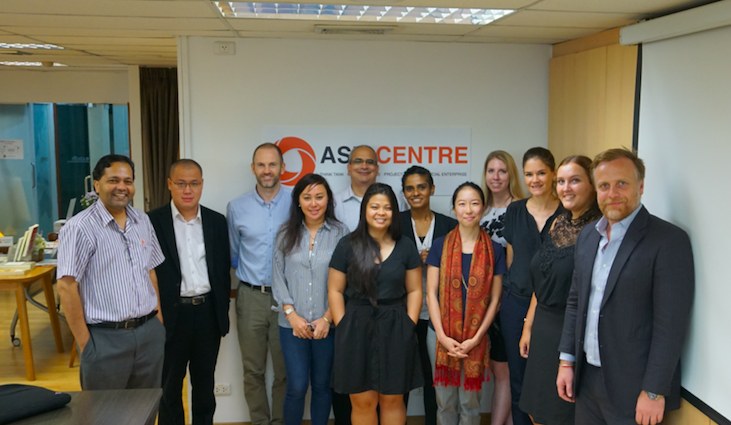
In its ongoing work on the impact of the Universal Periodic Review (UPR) of the Human Rights Council on the protection of human rights in Southeast Asia, Asia Centre convened a focus group to discuss its research findings for a baseline study on this mechanism. Held on October 6, 2017, the session was facilitated by Asia Centre’s Dr. Robin Ramcharan and it included participants from national, regional and international organisations. Civil society and other stakeholders noted during the discussions that since the UPR is a dialogue mechanism that States are comfortable with, it might be effectively harnessed as a platform for holding States accountable and keeping discourse on human rights issues alive. Key points raised by participants included the need for greater strategic engagement and coalition building by civil society, challenges in the follow up and implementation of recommendations and the need for capacity building on the UPR for civil society and government officials. The baseline study, conducted in partnership with the Heinrich Boell Stiftung, Southeast Asia, adds to the emerging evidence-based research on the impact of the UPR on human rights protection in Southeast Asia and seeks to enhance civil society’s advocacy strategies. The feedback and points raised during the discussion, echoed many of of the trends revealed in Asia Centre’s initial mapping of the UPR and its inaugural UPR conference over the period 2016 to 2017. The Centre’s evidence-based research on the UPR takes place in the context of its Human Rights Programme.
Freedom of Religion or Belief Threatened in Southeast Asia
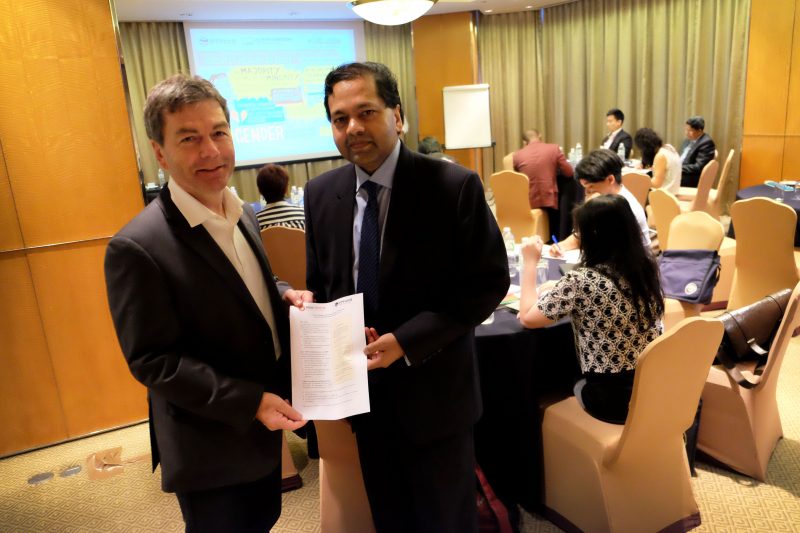
Reports jointly produced by Asia Centre and International Panel of Parliamentarians for Freedom of Religion (IPPFoRB) reveal serious challenges to religious freedom in Southeast Asia. The 11 country reports were released at IPPFoRB’s conference for ASEAN Parliamentarians held in Bangkok on 7th and 8th October 2017. Dr. Robin Ramcharan of Asia Centre coordinated the research on behalf of IPPFoRB. Looking at all the ASEAN countries, the research shows that religious freedom appears to be regressing in Southeast Asia. Serious challenges have arisen in recent years across the region, such as in Brunei, Indonesia and Malaysia, according to the reports. The country reviews of each of the 11 States of the region provide a toolkit for parliamentarians, civil society and other stakeholders who want to engage on FoRB, especially in the Universal Periodic Review (UPR) of the Human Rights Council. “The reports provide a valuable resource for parliamentarians and civil society organisations across South East Asia,” said David Anderson, member of the IPPFoRB Steering Group and Member of Parliament in the Canadian House of Commons. He added: “I encourage ASEAN parliamentarians to use these expert reports to press their respective governments for the legislative and policy changes necessary to secure religious freedom.” Asia Centre aims to continue its evidence based research on FoRB in Southeast Asia and its intersectionality with other fundamental rights, such as freedom of expression.
Asia Centre Human Rights Briefing for Georgia Tech, USA
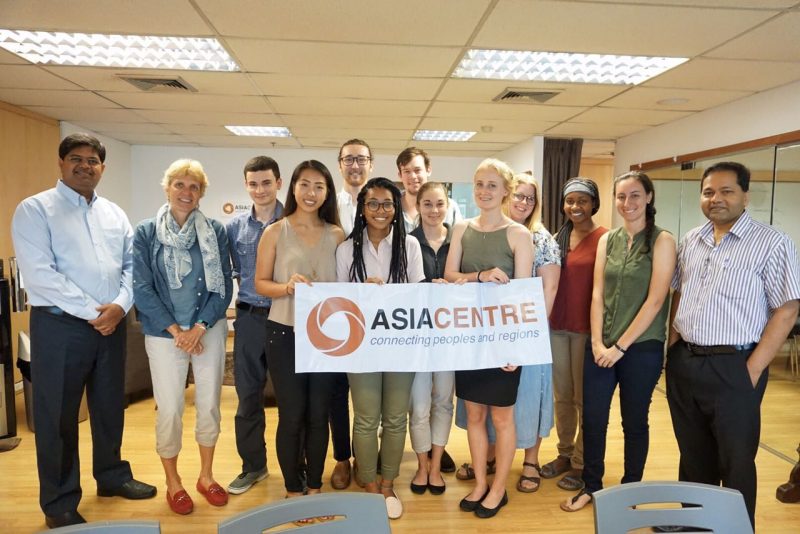
Asia Centre held a briefing session on 22 May 2017, in Bangkok, for visitors from the Southeast Asia Study Abroad Program of the Sam Nunn School of International Affairs of Georgia Tech, which is based in Atlanta, Georgia, USA. Dr. Robin Ramcharan and Dr. James Gomez led the briefing and discussions. Dr. Katja Weber led the group from Georgia Tech. The session focused on challenges facing human rights protection and democratic transitions in ASEAN, and on contemporary governance challenges that affect human security including the difficulties of providing social protection. Institutional differences between ASEAN and other regional bodies were highlighted. The value of the Universal Periodic Review (UPR) of the UN Human Rights Council to human rights protection in the region was emphasized and appraised. The critical role and impact of civil society organizations highlighted. It was noted that their formal exclusion from ASEAN regional mechanisms rendered the UPR even more appealing since CSOs and other stakeholders are consulted in the UPR peer-review process. The study group were apprised of the capacity and need for the UPR dialogue process to tackle hard civil and political issues. One of those is the shrinking space for freedom of expression (FOE) across the region, which faces threats from the criminalization of political opposition, restrictive cyber and telecommunications laws, restrictions on social media and presidential decrees in one-man or one-party authoritarian States. Participants from the study group engaged in discussion on FOE challenges, ethnic conflict and problems of social inequality. The study group, which was touring several countries in Southeast Asia, stopped by Asia Centre to exchange views on challenges facing the region and to share their insights on the same. Asia Centre looks forward to continued interaction and future collaboration with the Sam Nunn School of International Affairs.