
Principled Caution: How AI Is Used in Public-interest Media in Asia
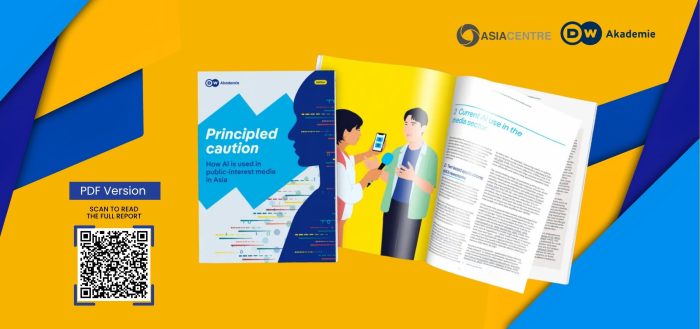
Download Full Report This report analyses the integration of Artificial Intelligence (AI) within independent and public-interest media across eight countries: Afghanistan, Bangladesh, Bhutan, Cambodia, Indonesia, Myanmar, Pakistan and Uzbekistan. It examines how media organisations engage with AI technologies, mapping current use cases, opportunities and structural constraints. The findings reveal that while AI adoption is currently taking place within public-interest media, it is defined by an approach of “principled caution” where adoption is careful, selective and highly varied. While adoption remains cautious to protect journalistic credibility from risks such as hallucinations and biases, newsrooms are increasingly embracing AI as a powerful toolset to alleviate severe capacity and resource constraints. Currently, organisations primarily utilise AI for assistive, routine tasks such as translation, transcription, summarisation, early-stage content ideation and the final language editing stage rather than for broader organisational transformation. Furthermore, the research highlights deep capacity deficits in the governance framework, institutional training, and strategic leadership. These gaps often prevent individual AI literacy from translating into consistent, organisation-wide policy formulation and enforcement. This challenge is further exacerbated by the funding instability and resource constraints that characterise the region’s independent media, restricting the long-term investment necessary for ethical and responsible AI adoption. Addressing these challenges requires coordinated stakeholder action to invest in long-term AI capacity, institutional support and governance frameworks, and secure technological infrastructure.
Religious Fundamentalism in the Philippines: Women and GSM Advocates Under Catholic Pressure
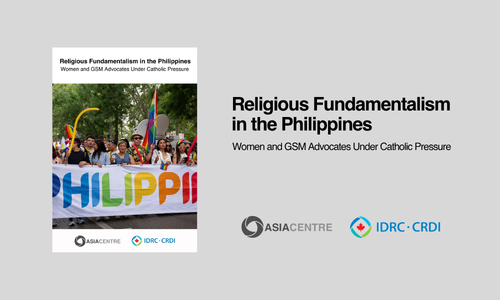
Coming Soon In the Philippines, the enduring influence of Catholic fundamentalism and conservative religious networks has constrained civic space and intensified backlash against women and gender and sexual minority (GSM) advocates. This influence is embedded throughout institutions, local patronage and public morality, allowing anti-rights actors to present equality claims as threats to family, faith and social order rather than as democratic needs. A key target of this backlash has been defenders of reproductive rights, gender equality and broader gender justice. Their advocacy is frequently framed as immoral, anti-family or contrary to traditional Catholic values. Religious Fundamentalism in the Philippines: Women and GSM Advocates Under Catholic Pressure shows the coordinated nature of this repression, with Catholic fundamentalist narratives fueling state legal repression, verbal and online hate, physical violence, and red-tagging across WGSM advocacy groups. It also traces how the dominance of Catholic fundamentalism has forced women’s and GSM rights advocates to adopt fragmented action strategies, including digital security measures, support networks and reliance on international intervention. To date, however, these efforts remain reactive, unevenly resourced, and insufficient relative to the scale and persistence of the fundamentalist mobility. The report recommends that the Filipino government, international aid organisations, international non-governmental organisations, civil society actors and WGSM rights organisations confront the ideological fundamentalist roots of repression. They must adopt an intersectional approach while addressing the structural links between religious fundamentalism, gender hierarchies, political conservatism and religious doctrinal amplification to counteract these threats.
Digital Security Training (Asia-Pacific): Two-Year Summary June 2024 – May 2026
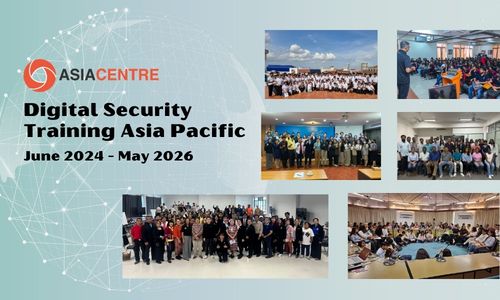
The Digital Security Training programme aimed to strengthen digital resilience across the Asia-Pacific region by equipping vulnerable communities with the knowledge, skills, and practical tools required to navigate an increasingly complex digital environment. From June 2024 to May 2026, Asia Centre and its partners delivered 250 Digital Security Training sessions across the region, reaching a total of 9,226 direct and indirect beneficiaries. Over the two-year implementation period, the programme expanded its reach across Southeast Asia, South Asia, East Asia, and the wider Asia-Pacific region, engaging a diverse range of participants including civil society organisations, human rights defenders, journalists, educators, youth groups, women’s networks, researchers, lawyers, and community leaders. Through targeted training sessions, participants developed stronger awareness of digital risks, improved their ability to adopt safer online practices, and strengthened their capacity to protect themselves and their organisations from evolving cyber threats. During the first year of implementation (June 2024 – February 2025), Asia Centre and its partners delivered 42 Digital Security Trainings, reaching 1,225 participants across the region. The programme established a strong foundation through country-level engagement across Southeast Asia, South Asia, and East Asia, as well as through regional activities. In the second year (June 2025–May 2026), the programme significantly expanded its reach, delivering 204 sessions across 17 countries and reaching 7,634 direct and indirect beneficiaries, representing substantial growth in both geographic coverage and community engagement. Throughout the full two-year programme period, Southeast Asia represented one of the largest areas of engagement, reaching communities across Cambodia, Indonesia, Malaysia, Myanmar, Thailand, Timor-Leste, and Vietnam. The region’s high level of participation reflected continued demand for digital security capacity-building among civil society groups, community organisations, youth networks, and rights-based actors operating in diverse digital environments. South Asia also demonstrated strong engagement, with trainings delivered across Bangladesh, India, Nepal, and Sri Lanka. The programme supported participants from both urban and rural communities, adapting delivery approaches to account for different levels of digital literacy, infrastructure access, and local challenges. In India, Master Trainers and facilitators worked across multiple states and communities, tailoring sessions to address context-specific concerns, including scams, privacy risks, and digital threats affecting vulnerable populations. In East Asia, Digital Security Training expanded engagement among participants in Japan, South Korea, and Taiwan. Trainings supported civil society actors, youth groups, women’s organisations, and human rights defenders in strengthening awareness of emerging cybersecurity challenges. In Japan, particularly, increased engagement demonstrated growing demand for continued digital resilience-building efforts, with participants highlighting the importance of ongoing training to respond to evolving threats such as artificial intelligence-related risks and ransomware. India was given special focus, where, from June 2025 to May 2026, 81 Digital Security Trainings were conducted in India, reaching 2,762 participants through end-beneficiary sessions and Training-of-Trainers programmes, strengthening both digital security awareness and local trainer capacity. Training sessions were delivered through a combination of onsite and online formats, including in Delhi and Kolkata, as well as across Mizoram, Jharkhand, Andhra Pradesh, Telangana, Karnataka, and Tamil Nadu. Participants represented a wide range of digitally vulnerable and high-risk communities, including civil society organisations, educators, journalists, youth leaders, community representatives, marginalised communities, and human rights advocates. The India programme highlighted the importance of adapting training approaches to diverse local contexts, including differences in language, digital infrastructure, and community-specific risks, ensuring that digital security knowledge remained accessible and practical for participants across both urban and rural settings. The broader Asia-Pacific regional activities contributed to strengthening cross-border learning and collaboration through training conducted in Singapore, Thailand, Malaysia, Nepal, and Sri Lanka. These sessions created opportunities for participants from different countries and sectors to share experiences and build collective approaches to addressing common digital security challenges. Across the programme period, participant engagement reflected strong gender diversity. From the 2024–2025 programme year, participation consisted of 49.3% female participants, 49.6% male participants, 0.7% non-binary participants, and 0.4% participants preferring not to disclose gender. The programme continued to prioritise inclusive participation and accessibility throughout its expansion. Throughout implementation, Asia Centre and its partners emphasised context-sensitive and community-driven approaches to digital security training. Sessions addressed a wide range of issues, including online harassment, privacy protection, phishing, account security, misinformation, surveillance risks, artificial intelligence-related threats, and other emerging cybersecurity challenges. The programme demonstrated that digital security awareness is most effective when connected to participants’ lived experiences. Many participants entered training with familiarity with digital platforms and terminology but lacked awareness of how specific threats could directly impact their safety, work, and communities. For example, participants gained a clearer understanding of how everyday digital practices, such as using online accounts, managing passwords, and protecting personal information, could expose them to risks if proper security measures were not applied. Others were able to connect broader concepts such as phishing, online threats, and privacy protection with challenges they had encountered personally or within their communities. By linking technical concepts with practical examples, Digital Security Training sessions helped participants build confidence in recognising, preventing, and responding to digital risks. A significant achievement of the programme was the development of a growing network of trained individuals and Master Trainers who continued sharing knowledge within their own communities. Participants consistently highlighted the value of peer learning and knowledge-sharing, noting that the skills gained through Digital Security Training sessions could be applied beyond their own digital practices and shared with colleagues, organisations, families, and wider networks. Participant feedback showed that many attendees planned to strengthen their own digital protection practices, while others intended to share knowledge with students, community members, and colleagues. One participant highlighted that the training would allow them to “apply these knowledge towards school students to make them aware of these threats and hazards,” demonstrating the potential for training outcomes to extend beyond direct participants. Others identified specific practical lessons, such as understanding available security tools within commonly used platforms, with one participant noting that although they had used Google services for years, the training provided a clearer understanding of its security features and protection methods. The programme also reached groups operating in higher-risk environments, including journalists, human rights defenders,
Asia Centre Trains Over 7,600 in the Asia-Pacific on Digital Security
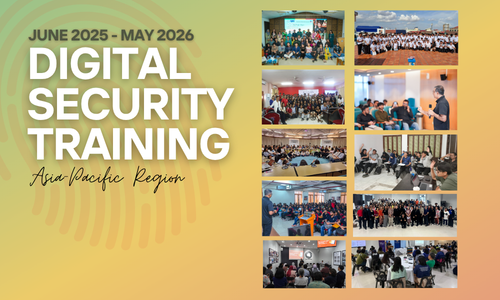
Asia Centre has implemented a comprehensive series of Digital Security Trainings, both End Beneficiary and Training of Trainers, from June 2025 to May 2026, in the Asia-Pacific region, to strengthen online safety, digital resilience, and trainer capacity among civil society, academia, media, youth, and community stakeholders. Building upon the success of Asia Centre’s partnership with Google during the 2024–2025 Digital Security Training programme, this initiative scaled up efforts to reach high-risk users across the Asia-Pacific region. During 2024-2025, Asia Centre successfully delivered 42 training sessions across 15 countries, engaging 1,225 End Beneficiaries from diverse genders and professional backgrounds. The 2025–2026 programme is built on this foundation by expanding regional reach, strengthening trainer networks, and increasing opportunities for communities to develop practical digital security skills and resilience against evolving online threats. At the end of 12 months of the 2025-2026 Digital Security Training programme, on 29 May 2026, Asia Centre had surpassed all set targets, delivering 204 sessions across 17 countries, reaching 7,634 direct and indirect beneficiaries, achieving 131.62% of the overall target. End Beneficiaries sessions reached 2,978 participants (297.80% or nearly 3 times the target), and Training of the Trainers sessions reached 968 potential master trainers (322.67% or surpassing 3 times the target), with a further 3,688 end beneficiaries reached through 106 peer-to-peer sessions delivered by Master Trainers certified under this programme. The Digital Security Trainings reached a wide range of digitally vulnerable groups, including media professionals, civil society representatives, educators, women’s networks, gender groups, rights advocates, lawyers, youth & community leaders, and adolescent girls. Participants’ enthusiasm to both learn and share knowledge was a consistent feature throughout the year. Across the Asia-Pacific region, Digital Security Trainings were delivered through diverse partnerships and formats, reaching communities with different digital security needs. In Southeast Asia, the training engaged participants across Cambodia, Indonesia, Laos, Malaysia, Myanmar, the Philippines, Thailand, Timor-Leste, and Vietnam, reaching 1,874 beneficiaries in 50 training sessions through End Beneficiary and Training of Trainers sessions. The region demonstrated strong demand for practical digital security knowledge among civil society organisations, youth networks, media professionals, and community groups. Digital Security Training activities focused on strengthening awareness of cyber threats, protecting digital identities, and developing local capacity to share digital safety practices. Notable examples included Cambodia’s multi-partner approach engaging youth, educators, media, and civil society actors; Indonesia’s focus on inclusive digital resilience across diverse communities; and Thailand and Timor-Leste’s engagement with human rights defenders, advocacy networks, and community stakeholders. Myanmar’s sessions strengthened digital protection awareness among media and women-led networks, while Malaysia, the Philippines, and Vietnam expanded engagement with university and community-based audiences. In South Asia, including Bangladesh, India, Nepal, and Sri Lanka, Digital Security Trainings reached over 5,357 participants through 144 online and onsite End Beneficiary and Training of Trainers sessions. The region represented one of the largest areas of engagement, with India and Bangladesh contributing significant reach through partnerships with universities, civil society organisations, and media networks. Digital Security Training efforts focused on supporting digitally vulnerable groups, including rural communities, educators, journalists, youth leaders, and rights advocates. Bangladesh’s training strengthened digital security capacity through extensive collaboration with academic institutions, civil society actors, and media partners, while India’s training expanded awareness and trainer development across multiple cities and high-risk communities. Nepal and Sri Lanka further contributed to community-level capacity building through youth-focused and grassroots initiatives, strengthening participants’ ability to identify digital threats and improve privacy and online safety practices. In East Asia, including Japan, South Korea, and Taiwan, 8 Digital Security Trainings were conducted, reaching 167 participants through online and onsite End Beneficiary sessions. As an underserved sub-region within digital security capacity-building efforts, East Asia presents significant opportunities for further expansion, particularly among civil society, youth, journalists, researchers, and human rights advocates who face evolving digital risks. The trainings focused on emerging digital threats and strengthening resilience, with Japan’s sessions addressing cybersecurity challenges affecting civil society groups, Taiwan’s sessions focusing on AI-enabled threats, privacy risks, and online safety among youth, media, and advocacy communities, and South Korea’s engagement highlighting gendered digital threats and AI-related risks affecting activists and democracy advocates. Additionally, 6 Regional open-call trainings strengthened knowledge sharing and trainer development, expanding cross-border networks of digital security practitioners across the Asia-Pacific and reaching an additional 236 participants. The 2025–2026 Digital Security Training programme marks a definitive step forward in strengthening digital resilience across the Asia-Pacific. As of 29 May 2026, with over 7,630 beneficiaries reached, a 623% increase from last year’s Digital Security Training programme (1,225 beneficiaries in 2024-2025), and a growing network of community-based Master Trainers now active in the Asian region, the foundations laid this year will continue to benefit vulnerable communities well beyond the programme’s formal closure, and provide an opportunity to engage the community for digital resilience building and transformation in the future. Looking ahead, regional demand continues to accelerate. Participants and partners have expressed a strong appetite for deeper engagement on emerging digital issues, specifically AI safety, algorithmic risks, and digital ethics. Asia Centre stands ready to build upon this momentum to meet these evolving needs.
Religious Fundamentalism in Indonesia: Political Capture and Repression of Gender Rights
Coming Soon The fall of Indonesia’s New Order regime in 1998 and the resulting democratic transition created new opportunities for political participation and civic engagement. At the same time, it facilitated the re-emergence of political Islam as a powerful force within public life. Over time, and especially since the early 2010s, Islamic organisations, movements and religiously oriented political actors have increasingly shaped electoral politics, public policy and state institutions, contributing to the normalisation of Islamic fundamentalist narratives that oppose gender equality and the rights of women, gender and sexual minorities (WGSM). As a result, WGSM rights advocates have become increasingly vulnerable to religiously framed forms of backlash. Religious Fundamentalism in Indonesia: Political Capture and Repression of Gender Rights examines how Islamic fundamentalism influences civic space and constrains WGSM rights advocacy in contemporary Indonesia. The report finds that WGSM defenders face coordinated forms of backlash, including discriminatory laws and regulations, online harassment and physical intimidation. Politicians, religious organisations and fundamentalist actors frequently frame feminism, gender equality and LGBTQI+ rights as threats to religious values, public morality and national identity, creating an environment that legitimises exclusion and hostility towards WGSM communities. The report also examines how WGSM organisations have responded through security measures, support networks within civil society and international partnerships. However, these efforts remain limited. Internal divisions within civil society – particularly the taboo on LGBTQI+ issues – and resource constraints further undermine protection efforts. The report recommends that the Indonesian government, international aid organisations, international non-governmental organisations, civil society actors and WGSM rights organisations strengthen protection mechanisms for rights defenders while addressing the structural drivers of religiously motivated repression. Doing so requires confronting the growing political influence of Islamic fundamentalism and ensuring that gender equality, pluralism and minority rights remain integral to Indonesia’s democratic future.
Rise in Democracy Organisations in Asia Needs Coordination and Resource Optimisation
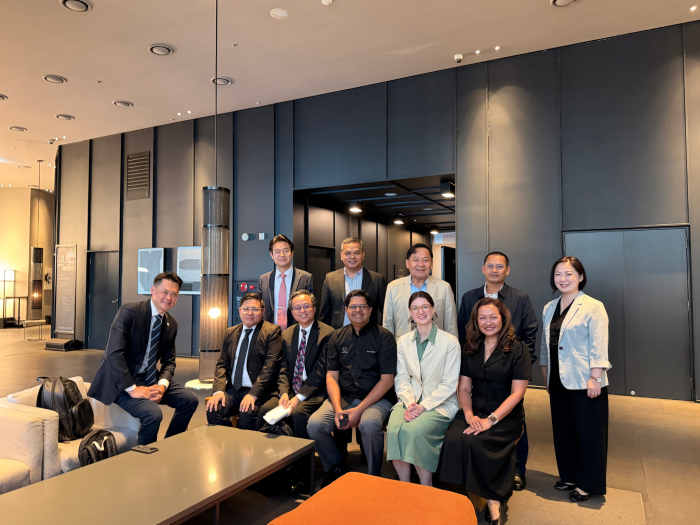
In spite of global democratic backsliding, social divisions, AI-induced acceleration of disinformation and the significant drop in international development aid, there is a rise in the number of Asian organisations and networks seeking to advance the cause of democracy. However, to harness this proliferation of democracy promoters in Asia, some of whom are in a hibernation or semi-hibernation mode due to funding cuts and staff layoffs, strategic coordination and optimal resource mobilisation are needed. Asia Centre, a civil society research institute, operates in the heart of this democracy “flux”. From 10 to 11 June 2026, it brought together members of the Global Democracy Coalition (GDC) Asia network and other democracy promoters to the GDC Asia Regional Forum 2026 (GDC ARF 2026), “Navigating Democratic Transitions: Emerging Gaps & Opportunities”. The two-half-day forum was held in partnership with the Korea Democracy Foundation (KDF) at the National Museum of Korean Democracy in Seoul, South Korea. This was in conjunction with the KDF Global Forum (11 June 2026) to commemorate the 39th Anniversary of South Korea’s 10 June Democratic Uprising. The GDC ARF 2026 event brought together 81 participants, both on-site and online, from diverse backgrounds, including diplomatic missions, academia, democracy advocates, media institutes, INGOs, CSOs and international partners from across Asia. Mr Lee Jae-Oh, President, KDF, welcomed the participants and opened the Forum. He urged democratic communities to leverage forums such as this to share experiences, build new friendships and strengthen cross-border cooperation. Following this remark, Ms Leena Rikkilä Tamang, Regional Director of the Asia-Pacific Programme, International IDEA, grounded the discussion on five universal democratic demands that were highlighted across the GDC regional forums: accountability, citizen participation, financial transparency, structural inclusion and a democratic system capable of governing future challenges. Finally, Dr James Gomez, Regional Director, Asia Centre, pointed out the rise in democracy actors in Asia amidst a reduction of resources, and called for cross-coordination to reduce the duplication of efforts and to ensure limited resources are pooled. The first panel discussion, “Democracy Promotion in Asia: Stakeholders and Their Roles”, moderated by Dr Gomez, discussed the roles of “democratic actors” – political parties, parliamentarians, former ambassadors and inter-governmental organisations. Senator Mardi Seng, Senate of Cambodia, President of the Khmer Will Party and Former Chairperson, Council of Asian Liberals and Democrats (CALD), discussed the relevance of political parties in countries like Cambodia in contemporary times. To stay relevant, he said, political parties must build solidarity with the people at the national level, gain entry into regional networks and partner with international organisations working on democracy. Mr Charles Anthony Santiago, former Malaysian Member of Parliament and co-chair of ASEAN Parliamentarians for Human Rights, emphasised that, while parliaments and parliamentary committees can put certain policy issues on the table for discussion, the key challenge remains the recruitment of parliamentarians who are prepared and willing to speak up on issues related to democracy and human rights. Ambassador Kak-Soo Shin from South Korea and co-representative of the newly launched Indo-Pacific Democracy Forum (IPDF), said that governments in democratic societies can look into allocating a budget to support democracy promotion activities overseas. Acknowledging this importance, IPDF has been lobbying the Korean government to move in this direction. He also highlighted that IPDF members are active in the Sunnylands Initiative to support and advance democratic norms in Asia. Ms Leena Rikkilä Tamang discussed the role of electoral institutions – that, while the technical capacity to organise elections in the Asia-Pacific region has greatly improved, public trust in such bodies is eroding. Additionally, due to ongoing conflicts, International IDEA member states are prioritising and redirecting their financial budgets toward security. The challenge is trying to persuade governments to see the connection between democracy and security, as well as to get countries such as the Republic of Korea and Japan (presently an observer) to become full members. In the following panel, “From Democratic Stress to Democratic Renewal: How is Asia Rebuilding Democracy”, GDC Steering Group member Dr Tran Quoc Hung, Coordinator, Alliance for Vietnam’s Democracy, moderated the session. The panel emphasised that a healthy democracy depends on three essential, reinforcing pillars: freedom of expression, free and fair elections and freedom of association. Mr Sakurai Shu, former Japanese Member of Parliament and former Executive Secretary, Japanese Diet’s Caucus for Universal Values in the Indo-Pacific, advocated for moving beyond infrastructure-focused initiatives to promote universal democratic values. In doing so, he noted the need for multi-partisan caucuses in parliaments across the region. Ms Aklima Ferdows Lisa, Director, Policy Analysis and Research Initiative, Bangladesh, described the country’s post-2024 protest landscape. Despite the toppling of the authoritarian regime, the country is facing challenges regarding law and order, mob violence and the difficulty of translating protests into structural reform. Dr Tran emphasised that democratic renewal in restricted societies and countries involves building and maintaining “underground” democratic and civil society networks in the shadows. This maintenance can focus on capacity-building on digital tools and systems to bypass firewalls and provide solidarity to activists in-country. Ms Jeonghyun Kim, Programme Manager, International Republican Institute, addressed the dilution and politicisation of human rights. She used a case study of South Korea, where there is a growing challenge in raising North Korea’s human rights issues among younger people, as it is framed as a political matter rather than human rights concerns. Ms Ileana Marin, Program Officer for Democracy around the Globe, Charles F. Kettering Foundation, stressed that democratic renewal requires more than just money. It requires intergenerational dialogue, the preservation of collective memory and finding a common language to bridge political polarisation. Day 2 of the Forum began with panel three, “Navigating Democratic Transitions in the Age of AI”. The session was moderated by Dr Sook Jong Lee, Co-founder, Asia Democracy Research Network and Senior Fellow, East Asia Institute. The panel highlighted the risks posed by Artificial Intelligence (AI), but pointed out that AI offers opportunities for democracy through augmented deliberation, enhanced administrative transparency and safer communication tools for activists. Dr Chanroeun Pa, President, Cambodian Institute for Democracy, argued that AI
Asia Centre at EADF 2026: “Democracy is needed to counter polarisation”
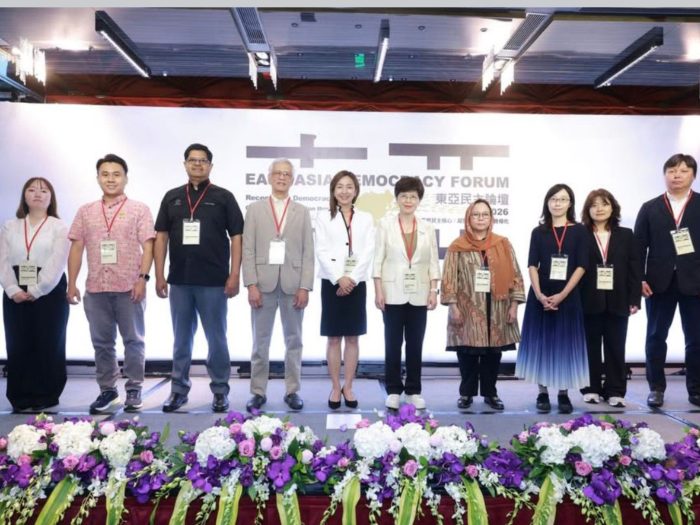
Countering polarisation in Asia requires a firm commitment to democratic principles – pluralism, accountability and non-violent political engagement – to ensure lasting and effective outcomes. In contrast, authoritarian notions of “peace” and “harmony” often suppress dissent, forcibly shut down genuine concerns and deepen divisions – undermining the conditions necessary for genuine social resilience. This was the key message presented by Dr James Gomez, Regional Director, Asia Centre, during the 2026 East Asia Democracy Forum (EADF) on 1 June 2026, as a speaker in the first session “Polarisation and Its Regional Fallout”. During the presentation, Dr Gomez elaborated on this message by pointing to the increasing regional polarisation trends in Asia. He identified five key drivers currently accelerating polarisation in the region: ethnicity and religion, gender, refugee and migration, economic inequality and political ideologies. In addition, rapid digitisation and Artificial Intelligence have made regional polarisation more severe than ever. Speakers joining Dr Gomez at the panel highlighted specific national and geopolitical polarisation battlegrounds where democratic frameworks are being tested. In Taiwan, for instance, public opinion data reveals a strong polarisation between those wanting to increase the national defence budget and others who want to maintain the status quo. Panellists also noted that safeguarding such resilience remains an uphill battle. Even among civil society organisations, polarisation is occurring, and this would weaken the sector’s cohesion and resilience. The second session, “Authoritarian Influence and Affective Polarisation”, analysed how regimes like China actively confuse public narratives to systematically erode trust in democratic systems. One example brought up was China’s United Front Work Department, which has infiltrated religious organisations in Taiwan and uses such organisations to promote pro-CCP narratives of cross-strait harmony. The discussion underscored that while democratic societies inherently require a healthy level of alternative viewpoints, authoritarian actors exploit these open debates to stifle true pluralism and drive deep societal division. The panellists agreed with Dr Gomez’s earlier warnings that authoritarians weaponise polarisation to frame pluralism as a weakness rather than a strength. The final session, “Depolarisation in Practice”, highlighted actionable regional frameworks to counter division through building national community networks to train citizens, conduct youth-led dialogues and establish independent fact-checking efforts to neutralise pro-authoritarian disinformation campaigns that seek to polarise societies. For example, the May 18 democratic uprising in South Korea is quickly becoming a partisan flashpoint where pro-authoritarian narratives seek to diminish the uprising. Proactive public awareness is needed to counter narratives designed to destabilise social cohesion. Engagements like the EADF reinforce Asia Centre’s commitment to fostering regional dialogue and building partnerships that contribute to peace. Asia Centre’s approach is a more inclusive, resilient and democratic way to rebuild trust in divided societies across Asia. Asia Centre’s involvement in EADF builds upon its active role within the network. As a member of the Steering Committee since October 2024, the Centre has contributed to EADF discussions in both 2024 and 2025, including sessions examining authoritarian strategies undermining democracy in Asia and the significance of foreign aid in strengthening democratic movements and civil society organisations across the region. It also builds upon its long-standing engagement with the Taiwan Foundation for Democracy, EADF’s Secretariat. The partnership dates back to 2019, when TFD served as a partner for Asia Centre’s 4th International Conference, Fake News and Elections in Asia, and supported the Centre’s Nite for Rights event on disinformation and human rights abuses. In the same year, Dr James Gomez participated in the Taiwan-based workshop Defending Democracy Through Media Literacy II, organised by TFD and international partners. Collaboration continued through Asia Centre’s 5th International Conference, Hate Speech in Asia (2020), joint initiatives on academic freedom, media freedom, and information integrity in 2021, and discussions on journalist safety through the panel STOP: Crimes Against Female Journalists and the 7th International Conference, Freedom of Expression in Asia, in 2022. These engagements helped establish a sustained platform for regional dialogue on democratic governance and human rights challenges. The relationship further deepened from 2023 onwards, when TFD became a Title Partner of Asia Centre’s flagship International Conferences. This included the 8th International Conference on Democracy and Elections in Asia (2023), the 9th International Conference on Shrinking Civic Space in Asia: Stories of Resistance and Pushback (2024), and the 10th International Conference on AI and Governance in Asia (2025). Earlier in 2026, TFD also hosted an Asia Centre delegation in Taipei to further strengthen institutional ties and explore future areas of cooperation. Through these continued engagements, Asia Centre and TFD have reinforced a shared commitment to advancing democratic resilience, regional cooperation, and civic participation throughout Asia. Building on this momentum, Asia Centre is pleased to announce its upcoming project, “Bridge-builders: Cambodian-Thai Civil Society Cooperation to Counter Polarisation”, supported by TFD. This initiative is designed to foster strategic dialogue and cooperation between civil society stakeholders in Cambodia and Thailand, empowering civil society organisations in both countries to play an essential role in mitigating societal polarisation and paving the way forward for long-term reconciliation.
Asia Centre Delivers Digital Security Training in Malaysia
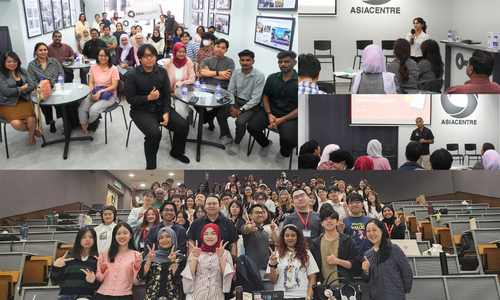
Between 17 October 2025 and 23 May 2026, Asia Centre successfully delivered a series of Digital Security Training (DST) sessions in Malaysia, directly engaging a total of 172 participants and end-beneficiaries. This strategic training aimed at strengthening digital resilience, promoting safer online practices, and enhancing awareness of digital threats among university students, lecturers, civil society actors, and grassroots communities. Conducted in collaboration with university partners and community networks, the programme sought to equip participants with practical digital security knowledge and skills needed to navigate an increasingly complex online environment marked by cyberattacks, misinformation, surveillance, scams, and online harassment. The training also aimed to develop a wider network of digitally aware individuals who could promote safer online practices within their own communities and institutions. Through interactive discussions, practical demonstrations, and knowledge-sharing sessions with digital security experts, participants gained greater awareness of online risks and learned strategies to better protect their personal data, communications, and digital presence. On 23 May 2026, a Digital Security Training session for End Beneficiaries (EB) was conducted at the Asia Centre Media Hub in Iskandar Puteri, Johor, Malaysia during the convening of “Establishing A Southern Region CSO Network.” Conducted by Asia Centre’s Media Intern Kimberley Cassandra with support from Programme Manager Sanjay Gathia. The session engaged 26 participants, primarily members of civil society organisations (CSOs), youth groups, media initiatives, women activists, and grassroots communities. The training highlighted the growing importance of digital safety for civil society actors, who are increasingly vulnerable to cyber threats due to their advocacy and community engagement work. Participants were introduced to practical approaches to online safety, including secure communication practices, password protection, recognising phishing attempts, identifying misinformation, and protecting sensitive information online. By strengthening digital awareness and resilience, participants were better prepared to protect both their digital presence and the communities they serve. On 1 April 2026, a Digital Security Training for End Beneficiaries (DST-EB) session was conducted at the University of Reading Malaysia. Led by Asia Centre’s Dr Kiyono Hasaka, the session brought together 90 participants, with 20 participants expressing interest in becoming master trainers. The training equipped university students with greater awareness of cybersecurity risks and provided practical guidance on protecting online accounts, safeguarding personal information, and responding to digital threats responsibly. Participants were encouraged to promote safer digital practices among their peers and contribute to building more digitally resilient campus communities. On 14 March 2026, a Digital Security Training session for End Beneficiaries (EB) was conducted online in Malay by Asia Centre’s Media Officer, Muhammad Fahmi, in collaboration with Management and Science University (MSU). The session engaged 34 participants, including students and lecturers, with 17 participants expressing interest in becoming future master trainers. The training focused on practical approaches to digital safety, including secure communication, data protection, responsible social media practices, and awareness of emerging online threats. Participants also explored methods to verify online information and identify common cyber scams increasingly affecting digital users in Malaysia. The session strengthened participants’ understanding of how digital security practices can be integrated into both academic and everyday online activities. The 2026 Digital Security Trainings built upon Asia Centre’s earlier training initiatives conducted in Malaysia in 2025. On 17 October 2025, the first Training of Trainers (ToT) session was organised in partnership with Universiti Malaysia Sarawak (UNIMAS). Conducted online by Asia Centre’s Programme Manager, Mr Sanjay Gathia, the session brought together 22 lecturers who were interested in sharing the knowledge with their students and local communities. The ToT session focused on equipping participants with both foundational digital security knowledge and facilitation skills, enabling them to effectively share digital safety practices within their respective academic and professional communities. Participants were also introduced to methods for conducting peer learning sessions, promoting awareness of digital security, and building digital resilience among wider audiences. The collaborations with universities and community partners played an important role in expanding the reach of digital security awareness initiatives among young people, educators, and civil society actors across Malaysia. By working closely with academic institutions and grassroots networks, Asia Centre was able to encourage wider conversations on digital literacy, responsible technology use, and online safety in today’s rapidly evolving digital environment. As digital threats continue to evolve in Malaysia and across the region, initiatives such as the Digital Security Trainings remain increasingly important in strengthening public awareness, building community resilience, and supporting safer digital participation. Through these trainings, Asia Centre continues to contribute towards fostering informed, secure, and digitally resilient communities capable of navigating online spaces more safely and responsibly.
Regional Dialogue on Climate Disinformation and Indigenous Peoples in Asia
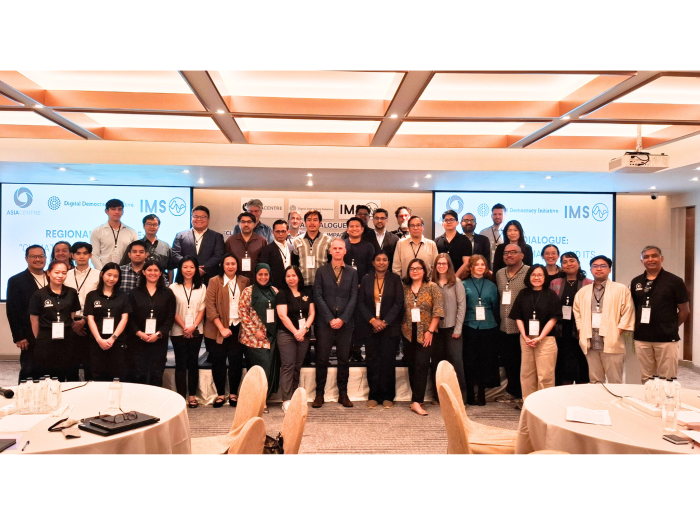
Climate disinformation in Asia is not only shaping public debate around climate policies and environmental accountability, but it is also creating an urgent need for stronger, more inclusive responses that place Indigenous Peoples (IPs) at the centre of climate action, policy and governance. In addressing this, a multi-stakeholder partnership is required to strengthen information integrity while safeguarding Indigenous rights. This was the key message of the regional dialogue “Climate Disinformation and its Impacts on Indigenous Peoples in Asia” convened by Asia Centre in partnership with International Media Support (IMS) on 20 May 2026 in Bangkok, Thailand. The dialogue brought together 43 representatives spanning journalists, media organisations, researchers, civil society actors, Indigenous representatives, technology experts and international partners from across Asia and beyond. The regional dialogue was convened at the end of a broader research and engagement process led by the Asia Centre since March 2025. The project has produced six country-level studies – and in that process, convened six national convenings. The initiative has sought to examine how climate disinformation, both online and offline, restrains Indigenous voices, discredits their knowledge and legitimises harmful environmental practices. As of 25 May 2026, the climate disinformation country reports had been collectively downloaded nearly 10,000 times, reflecting growing regional interest in the issue. The dialogue also served as a platform for validating findings from the regional report Climate Disinformation in Asia (to be published soon), which identifies and analyses the situation at the regional level to highlight opportunities for stronger regional responses. The 1-day event opened with remarks from Dr James Gomez, Regional Director of Asia Centre, situating the dialogue within Asia Centre’s broader work on democracy, human rights, civic space and information integrity. His remarks framed the dialogue not only as a moment to present research, but as an opportunity to directly listen to communities, IPs and partners whose experiences are central to understanding how climate disinformation operates on the ground. The opening was followed by keynote remarks on the “Landscape of Climate Disinformation” by Lars Bestle, Regional Director Asia, IMS. He framed climate disinformation as a challenge that goes beyond false claims. As he noted, some narratives present forests as being protected while, in reality, they are being taken and communities are being displaced. The first panel discussion, “Understanding Climate Disinformation Narratives in Asia,” was moderated by Paco Pangalangan, IMS. The panel contextualised the meeting by examining climate disinformation narratives across the region. The panellists made the following remarks: Ekmongkhon Puridej, Asia Centre, mentioned that climate disinformation in Asia reflects long-standing efforts to undermine Indigenous Peoples’ (IPs) rights, now increasingly repackaged in “green” language. He stressed the need to centre Indigenous perspectives in public debate and critically examine official and corporate environmental narratives; Muhammad Aftab Alam, Institute for Research, Advocacy and Development (IRADA); shared examples from Pakistan, where climate disinformation reflects broader regional trends while also appearing through sensationalism, alarmism and religious framings such as divine judgement. IRADA led the research for Pakistan, the seventh country study in the Climate Disinformation in Asia series. Kittisak Rattanakrajangsri, Council of Indigenous Peoples in Thailand and former Chair of Asia Indigenous Peoples’ Pact (AIPP), stressed that Indigenous Peoples are already among those most affected by climate change, facing displacement, environmental degradation and threats to their livelihoods and traditional ways of life, while increasingly being blamed for environmental destruction despite their long-standing role in protecting natural resources. Rossine Fallorina, SIGLA Research Centre, warned that climate disinformation may evolve into an economy driven by political and corporate interests, bots and coordinated information operations. Justin Arenstein, Code for Africa, connected patterns across Asia and Africa, arguing that climate disinformation should be understood as an organised system that undermines accountability, weakens public understanding and restricts the enjoyment of Indigenous Peoples’ rights. The discussion highlighted the need for stronger regional collaboration and rights-based responses that place IPs’ voices, knowledge and rights at the centre of efforts to address climate disinformation. The second session, “Lightning Talks + Conversation on Investigating and Countering Climate Disinformation,” was moderated by Henrik Grunnet, IMS. Through five-minute lightning talks, speakers shared field experiences on investigative journalism, fact-checking, verification tools, data storytelling, prebunking and constructive journalism approaches. The panellists made the following remarks: Yvonne Chua, Vera Files, highlighted the need for comprehensive training and support for journalists to report on climate change, critically analyse information, propose solutions and seek accountability beyond conventional reporting; Sabariah Mohamed Salleh, JomCheck, validated the findings from Asia Centre’s Malaysia report and discussed the role of fact-checking in strengthening evidence-based information within the media ecosystem. Bagja Hidayat, PT Tempo Inti Media Tbk, introduced Tempo Witness as a platform for Indigenous Peoples to share information and stories that help journalists highlight on-the-ground realities. Patchar Duanglkad, Punch Up, emphasised data-driven and fact-based storytelling as a way to support journalists and strengthen the broader journalism ecosystem. Voltaire Tupaz, FYT Media, presented crowdsourcing, civic technology and AI-enabled tools as part of a pipeline connecting storytelling to civic action. The session highlighted the need to move beyond reactive responses. While fact-checking, verification, investigative reporting and prebunking remain essential, participants stressed that media responses must also strengthen public understanding, improve climate reporting, support community voices and build trust in credible information sources. Thereafter, it was the Community Roundtable: “Local Voices and Public Engagement”, moderated by Eva Danayanti, IMS. The session centred the experiences of communities, youth and local knowledge holders as active participants in countering climate disinformation and advancing climate accountability. The panellists made the following remarks: Bank Vath, Impact Hub Phnom Penh, emphasised the need to strengthen socio-economic, educational and media literacy support so Indigenous media can better amplify community experiences; Bianca Pabotoy, Balay Mindanaw, reflected on Mindanao’s experience, where collaboration among government, media, communities and journalists is key to advancing climate and disaster accountability; Phnom Thano, Indigenous Media Network, highlighted how Indigenous media can counter bias and stereotyping while working with neutral actors to strengthen evidence and credibility; Siti Parhani, Magdalene.co, brought attention to underrepresented women’s perspectives, stressing their importance in conversations on IPs, climate change
Establishing A Southern Region CSO Network
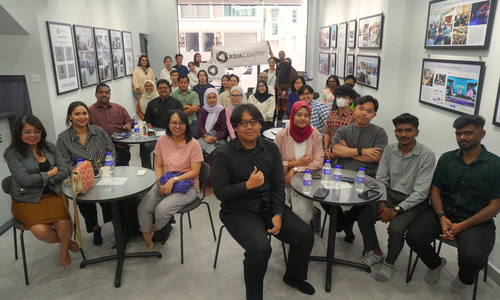
Fragmentation in collaboration and uneven access to digital knowledge continue to shape how civil society organisations (CSOs) in the Southern Region engage with issues of digital democracy and civic space. Despite a diverse ecosystem of grassroots organisations, indigenous groups, independent media, and youth initiatives, limited coordination and knowledge-sharing mechanisms have constrained sustained and collective engagement. These dynamics were explored during the convening “Establishing a Southern Region CSO Network’, held on 23 May 2026 at the Asia Centre Media Hub in Iskandar Puteri, Johor, Malaysia. The convening brought together approximately 40 participants from civil society organisations, community-based groups, independent media, advocacy networks and youths to discuss regional challenges and identify pathways for strengthening collaboration. The event began with welcome remarks, followed by a session on The Southern Region’s Landscape led by Dr. James Gomez, Regional Director of Asia Centre. The session provided an overview of the civic and digital landscape across Southern Malaysia, Singapore, and the Batam, Bintan, and Karimun (BBK) region, highlighting the importance of strengthening regional collaboration among CSOs amid rapid technological and socio-economic developments. This was followed by a panel discussion on Technology and Society in Malaysia: Local & Regional Trends, featuring, from right, Dr. Fadiah Nadwa, lawyer and scholar; Assoc Prof Dr Chan Hui Yun from the School of Law, University of Reading Malaysia (UoRM); Wan Khuzairey from Nusantara Bergerak; Michelle D’Cruz from Association for Women’s Rights in Development (AWID); and Faris Maulana, Asia Centre research intern and student from Universiti Utara Malaysia (UUM). The discussion highlighted the growing influence of digital technologies on civic participation, governance, and social life. Discussions highlighted concerns surrounding surveillance, mis/disinformation, and the rapid development of artificial intelligence, while also emphasising the importance of accountability, human-centred approaches, and transnational solidarity in navigating evolving digital challenges. Dr. Fadiah Nadwa reflected on how rapid information flows have transformed digital spaces into crucial sites for shaping politics, while also intensifying state surveillance and repression targeting opposing ideas. She emphasised the importance of organising diverse sections of society, strengthening national consciousness, and building transnational solidarity to collectively address issues such as labour migration and restrictions on freedom of expression, online censorship and public discourse surrounding war and genocide have become increasingly interconnected across borders and digital spaces. Assoc Prof Dr Chan Hui Yun highlighted the growing influence of digital health technologies and artificial intelligence, noting that while these developments carry immense potential, they also introduce new legal, ethical, and societal challenges. She emphasised that existing legal frameworks continue to evolve in response to the rapid pace of technological advancement, stressing that trustworthy governance and accountability are essential in strengthening public trust, participation, and engagement in the use of emerging technologies. Meanwhile, Wan Noor Khuzairey spoke on the humanisation of society in the age of technology, reflecting on how modern societies increasingly risk reducing individuals into passive consumers overly dependent on systems and machines. He stressed that a truly humane society must continue placing human needs, ethical responsibility, compassion, and meaningful relationships above efficiency and material production. Emphasising the importance of critical thinking and social solidarity, he noted that technological advancement should remain a tool that supports human freedom, creativity, and collective well-being, rather than becoming a force that dominates or diminishes human life. Michelle D’Cruz shared how governments are increasingly relying on real-time data, machine learning, and digital systems to shape public policy and determine access to social assistance. While acknowledging the efficiency of evidence-based policymaking, she cautioned that excessive dependence on automated systems risks overlooking the lived realities of vulnerable communities. She also highlighted growing tensions between governments, technology companies, and civil society groups, while pointing to the emergence of grassroots organising and network-based movements, including collective advocacy efforts among gig workers in Singapore, as examples of how digital platforms can also support solidarity and rights-based mobilisation. Amid discussion, Faris Maulana shared a youth perspective informed by his field research on Indonesia’s Batam, Bintan, and Karimun islands. Reflecting on the challenges faced by researchers, he highlighted issues such as outdated online information, delayed government responses, and bureaucratic barriers in accessing official data. He also noted the growing integration of artificial intelligence into student life and academic environments, emphasising the increasing need for information verification and responsible AI usage within universities. In the afternoon, participants engaged in breakout sessions moderated by Shakila Zen, activist from Persatuan Aktivis Sahabat Alam (KUASA) focusing on the following thematic areas: 1) Digital Inclusion and Community Voices; 2) Digital Rights and Freedom of Expression; 3) Digital Safety and Surveillance Risks for Civil Society; and 4) Digital Care for Women Activists. Each session created space for more in-depth discussions, enabling participants to exchange experiences, identify shared challenges, and propose practical strategies for strengthening digital engagement across sectors. Each group representative later presented key reflections and recommendations from their discussions, further encouraging audience engagement and collective exchange of ideas. After the breakout sessions, a Digital Security Training– End Beneficiaries (DST-EB) session was conducted by Kimberley Cassandra, an Asia Centre media intern and student from Management and Science University Malaysia (MSU). The training was supported by Asia Centre’s master trainer Sanjay Gathia and the session provided participants with practical tools and knowledge to better manage online risks and threats. The interactive training emphasised the importance of integrating digital security practices into organisational workflows and advocacy efforts, while also creating space for participants to engage with the speakers, exchange perspectives, and raise questions during the discussion and Q&A session. The one day convening ended with a discussion around movement building, led by Dr. James Gomez, which focused on The Establishment of a Southern Region CSO Network. The session explored the importance of fostering sustained collaboration, strengthening coordination, and building collective advocacy efforts among CSOs in the region. Following the discussion, participants engaged in networking and connection-building, creating opportunities to exchange contacts, share experiences, and explore potential future collaborations and partnerships beyond the convening. Overall, the one-day digital democracy event “Establishing a Southern Region CSO Network” underscored the growing need for inclusive, community-centred approaches in