
Asia Centre Delivers Digital Security Training in East Asia
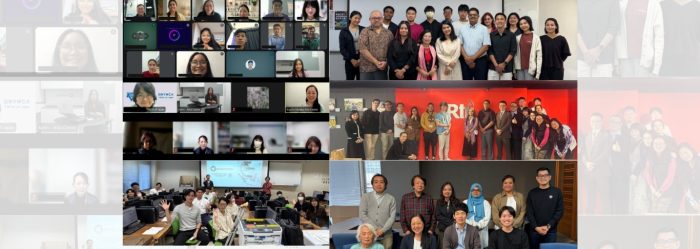
Asia Centre has played an active role in advancing digital security and online resilience across East Asia for 91 participants, working in close collaboration with a diverse range of partners, including democracy foundations, universities, media institutions, and regional learning platforms. The aim of the digital security initiative was to strengthen the capacity of activists, youth leaders, journalists, and emerging advocates to navigate digital spaces safely. At the end, all participants were able to enhance their awareness of online risks including those linked to artificial intelligence, and promote secure and informed digital participation across diverse communities. Digital Security Training (DST) sessions were conducted between January and April 2026 in partnership with the Korea Democracy Foundation (KDF), Taiwan Asia Exchange Foundation (TAEF), National Chengchi University, Radio Taiwan International (RTI), YWCA Japan, Okinawa International University, and Kyushu University, and delivered in the Republic of Korea, Taiwan, and Japan. The sessions engaged participants from high-risk and digitally vulnerable groups, including youth, journalists, research fellows, and international advocates. Republic of Korea On 5 March 2026, a Digital Security training – End Beneficiaries (DST-EB) session was held virtually in conjunction with International Women’s Day, as part of the Asia Centre’s collaboration with the Korea Democracy Foundation (KDF). The session convened 19 activists, advocates for digital democracy, and youth leaders from the Republic of Korea (ROK) and international communities connected to the KDF, including its International Goodwill Ambassadors for Democracy. The session highlighted threats unique to women and girls, in alignment with International Women’s Day, and addressed emerging risks associated with artificial intelligence. The training formed part of a joint initiative between Asia Centre and the Korea Democracy Foundation (KDF), contributing to their broader engagement with networks in the Republic of Korea, across Asia, and within global partner communities, and aimed to strengthen digital security awareness and capacity among emerging leaders. Taiwan From 18 to 19 March 2026, Asia Centre’s Regional Director, Dr James Gomez, and Partnerships Manager, Kartini Sunityo, undertook a series of Digital Security Training (DST) sessions in Taipei, Taiwan, in collaboration with partner institutions. Kartini Sunityo delivered two end-beneficiary (DST-EB) sessions over the two days. On 18 March 2026, Asia Centre, in partnership with the Taiwan Asia Exchange Foundation (TAEF) and National Chengchi University, co-organised a Digital Security Training – End Beneficiaries (DST-EB) session attended by 18 participants, primarily youth, research fellows, and international advocates including from Asia and the Pacific. The event was held on the sidelines of the 9th Yushan Forum, which took place in Taipei on 16–17 March and was organised by TAEF in collaboration with the Ministry of Foreign Affairs (MOFA). On 19 March 2026, a second Digital Security Training – End Beneficiaries (DST-EB) session was conducted in collaboration with Radio Taiwan International (RTI), with 20 participants, most of whom were RTI Academy staff, journalists, and foreign correspondents. The integration of AI-assisted translation into local languages was introduced and utilised during the session, and was positively received by the trainees. The Taiwan training series aimed to equip participants with the knowledge and skills to identify digital threats including the emerging of AI generated threats, secure their online presence and accounts, and enhance their understanding of privacy, online safety controls, and relevant security tools. The participants largely comprised high-risk and digitally vulnerable groups. Japan From 6 January to 26 April 2026, Asia Centre’s Regional Director, Dr James Gomez, and Dr Kiyono Hasaka undertook a series of Digital Security Training (DST) sessions in Japan in collaboration with partner institutions. Dr Kiyono Hasaka delivered three end-beneficiary (DST-EB) sessions. On 6 January 2026, Asia Centre delivered an online Digital Security Training – End Beneficiaries (DST-EB) session in Japan, in collaboration with YWCA Japan. The session was attended by 8 participants, most of whom were women representatives from national-level organisations. Connecting individuals with experience in advocacy and community engagement, the training created an interactive space to strengthen understanding of digital security practices. On 20 April 2026, Asia Centre in collaboration with Okinawa International University, successfully organised an onsite Digital Security Training – End Beneficiaries (DST-EB) in Naha, Japan. The session was attended by 16 participants, most of whom were local youths, bringing together individuals with varying levels of digital experience and online experience.The training created an inclusive and interactive learning environment where participants were able to exchange perspectives, build foundational knowledge, and strengthen their understanding On 26 April 2026, Asia Centre, in collaboration with Kyushu University, conducted an online Digital Security Training – End Beneficiaries (DST-EB) session in Fukuoka, Japan. The roundtable discussion brought together 10 participants and focused on strengthening their ability to identify digital risks and secure their online identities and accounts, while also enhancing their understanding of data privacy, practical safety strategies, and essential digital security tools. In conclusion, Asia Centre’s Digital Security Training (DST) initiative across East Asia has demonstrated a comprehensive and collaborative approach to strengthening digital resilience among diverse and often vulnerable groups. Through strategic partnerships with regional institutions and tailored training sessions in the Republic of Korea, Taiwan, and Japan, the programme successfully enhanced participants’ capacity to identify and respond to evolving digital threats, including those associated with artificial intelligence. By fostering practical skills, critical awareness, and cross-border engagement, the initiative has contributed to building a more secure, informed, and resilient network of activists, journalists, youth leaders, and advocates across the region, supporting safer and more inclusive digital participation.
CIVICUS-Asia Centre: Building Pro-Civic Space Narratives Through Collective Action
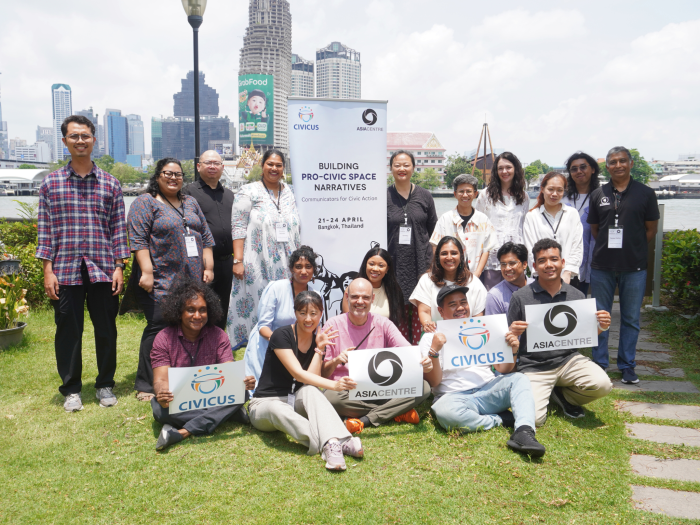
Building and sustaining civic space requires more than advocacy, it depends on how civil society tells its stories. In an era shaped by information overload, misinformation, digital risk, and shrinking freedoms, narratives play a critical role in shaping public understanding and strengthening collective action. These ideas were explored during the CIVICUS-Asia Centre’s co-convening of Building Pro-Civic Space Narratives: Communicators for Civic Action, held from 21 to 24 April 2026 in Ibis Riverside Hotel Bangkok, Thailand. The convening brought together 14 representatives from the Asian civil society organisations, communicators, and activists to strengthen their narrative strategies and amplify grassroots voices, drawn from South Asia, Southeast Asia and Far East Asia. Asia Centre as the local convener and organiser of the event in Thailand, collaborated with CIVICUS, in engaging the 14 representatives for a three-and-a-half-day on-site workshop. Before the start of the workshop, discussions and inputs were provided over a period of 3 months by Nipuna Kumbalathara, Director of Communications, and Tanya Lupuwana, Communications Officer – Narratives and Networks at CIVICUS. The event was facilitated by Rubens Filho, the Co-founder, CEO & Director of Spells, and Upekkha, Senior Facilitator and Consultant at Abracademy. Day 1, with the “Ignite” theme focused on grounding and connection. Participants began by recognising existing strengths within their communities, building trust, and creating a shared sense of purpose. This foundation emphasised that effective narratives must be rooted in authenticity and collective experience. On Day 2, with the “Explore” theme, participants engaged more deeply with the emotional and structural challenges shaping civic space. The sessions created space to acknowledge fear, grief, and uncertainty, while reinforcing the importance of solidarity and shared understanding. Day three, Create, marked a shift towards action through storytelling and narrative-building. Participants explored new ways to communicate civic issues, focusing on approaches that are people-centred, relatable, and capable of reaching wider audiences. During the panel session, Asia Centre’s Programme Manager, Mr. Sanjay Gathia, highlighted the importance of understanding the digital landscape and strengthening online safety and security for civic communicators. He noted that digital platforms, if not adequately protected, can be exploited for misinformation and disinformation, and emphasised practical steps that civil society actors can take to safeguard their digital presence. On the final day, the “Connect”, emphasised sustaining efforts beyond the convening. Discussions focused on strengthening connections among participants and identifying ways to continue collaboration and exchange across the region, with Asia Centre contributing to conversations on maintaining regional linkages. Overall the key outcomes of the convening were that: a.) the participants felt more connected and strengthened in their relationships; b.) developed increased capacity to craft compelling counter-narratives through storytelling and narrative building; c.) the collective storytelling facilitated them to amplify civic issues of grassroots voices making it more people-centred and relatable; d.) strengthen their collective action to shape public understanding of issues; and, e.) develop pro-civic space narratives in protecting civic space from harmful information. This convening enables Asia Centre to connect with other Asian regional fellow-communicators in fostering collective action and building pro-civic space narratives and build broader regional engagements in the future.
Religious Fundamentalism in Myanmar: Post-Coup Repression of Gender Rights
Download Full Report In Myanmar, the 2021 coup d’état led to the collapse of civic space and a rise in authoritarian control. At the same time – and less discussed – the authoritarian environment that followed saw the re-emergence of Buddhist fundamentalism, which uses military violence and a centralised Buddhist-Bamar national identity to suppress alternative voices. A key target of Buddhist fundamentalist groups has been defenders of women, gender and sexual minority (WGSM) rights, whose advocacy is framed as a threat to “traditional” morality. Religious Fundamentalism in Myanmar: Post-Coup Repression of Gender Rights shows the coordinated nature of the repression – including legal restrictions, online harassment and physical violence. It also traces how WGSM rights organisations have adopted fragmented survival strategies, including adopting security measures, building support networks, sourcing international aid, coordinating with the National Unity Government (NUG) and conducting long-term advocacy. However, to date, these efforts have been fragmented, reactive, scarce, unevenly accessible and insufficient compared with the scale and severity of the Buddhist fundamentalist backlash. The report recommends that the United Nations, the NUG, international aid organisations, international non-governmental organisations and WGSM rights organisations confront the ideological roots of repression. They must adopt an intersectional approach while addressing the structural links between Buddhist fundamentalism, gender hierarchies and authoritarian repression to counteract these threats.
Dr. James Gomez: Civil Society-Political Party Partnership Will Strengthen Democratic Resilience
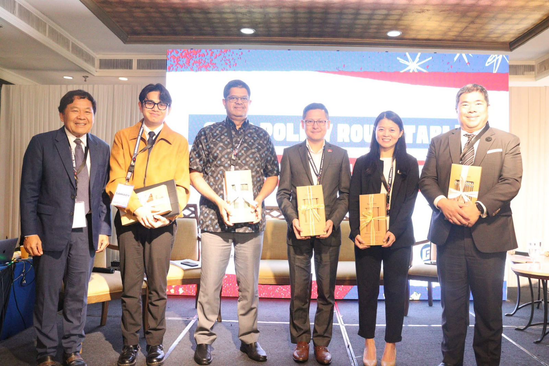
In his remarks on “Sources of Democratic Resilience in Asia,” Asia Centre’s Regional Director, Dr. James Gomez, underscored the role of civil society as a key pillar in sustaining democratic systems and said this is best done in partnership with democracy supporting political parties. He made this point during the Policy Roundtable on Democratic Resilience in Southeast and East Asia, as a speaker in Panel I: “Analyzing Democratic Resilience: Sources and Challenges,” on 27 March 2026. From 26 to 28 March 2026 in Manila, Philippines, Dr. Gomez participated in a multi-day programme convened by the Council of Asian Liberals and Democrats (CALD). The event brought together political party leaders, policymakers, and civil society actors, featured leadership engagements, thematic discussions, policy dialogues, and strategy planning aimed at strengthening democratic governance, resilience, and regional cooperation. Dr. Gomez noted that across Asia, democracy promoting-political parties and civil society networks often operate in isolation rather than in partnership. He said that efforts to bring them together are frequently met with hesitation and discomfort from both sides internally and dissuaded externally by others who do not want this partnership to emerge. He emphasised that both camps need to recognise these pressures and actively move beyond this divide to normalise democracy collaboration between civil society and political parties. Drawing on regional experiences, he highlighted that such interactions already occur in practice, with civil society actors joining political parties during periods of political change, including elections and politicians transitioning into civil society roles after public office. These transitions demonstrate that movement between both spheres is not uncommon. As such, he underscored the importance of recognising and reinforcing these “transitons” to establish civil society–political party collaboration as a regular and accepted feature of democratic systems in Asia. Among the key highlights of the roundtable were Dr. Gomez’s three policy recommendations. He suggested that CALD, as a network of political parties, should consider the following: Actively invite civil society organisations to become associate members. Expand its current regional base in East and Southeast Asia to include South and Central Asia. Evolve from a single-donor model to a multi-donor one to ensure organisational sustainability. Dr. Gomez’s suggestions were well received in the meeting and were referred to constantly over the next two days. On 28th March, during the strategy meeting, Dr. Gomez went further to propose a practical approach to advancing collaboration between political parties and civil society. He suggested that if CALD member parties are not yet ready to push forward with associate membership for civil society organisations, an initial step could be to organise a one-day conference or workshop that brings together representatives from both sectors. Such an event would enable open dialogue and exchange views on civil society–political party partnerships, help to build mutual understanding and reduce any existing hesitations. He noted that this type of engagement could serve as an entry point to gradually foster trust and, over time, contribute to normalising closer cooperation and potential institutional collaboration between political parties and civil society. Overall, Dr. Gomez’s key message was democratic resilience can be reinforced through stronger collaboration across sectors, in particular, between civil society and political parties to widen their networks and become a more broadbased movement. Asia Centre and CALD have been formally working together since 2019 since the signing of their first MoU. CALD’s participation in Asia Centre’s Annual International Conferences is well known. From 2019-2024, starting with the 4th International Conference (2019), CALD convened the opening panel on responses to disinformation, while in the 5th (2020), its speakers addressed political hate speech and regulatory challenges. This engagement continued in the 6th International Conference (2021), where CALD participated in discussions on COVID-19, communication, and the use of technology in governance. In the 7th International Conference (2022), CALD convened discussions on political persecution and democratic resilience, and in the 8th International Conference (2023), it further contributed as a panel partner, supporting regional dialogue on digital rights and democratic challenges. In the 9th International Conference (2024), it served as a panel partner on the criminalisation of civic actors. The 2024 conference also marked the renewal of the Memorandum of Understanding (MoU) between both organisations, originally signed in 2019, reaffirming their long-standing partnership and shared commitment to strengthening civic space across Asia. CALD has also actively engaged in Asia Centre’s broader programme activities, extending beyond conferences into research, training, and policy dialogue. In 2021, Asia Centre led the research and co-published with CALD the report “Defending Freedom of Expression: Fake News Laws in East and Southeast Asia”. The report examined legal frameworks affecting freedom of expression in the region and informed subsequent regional engagements. This was complemented by a series of regional workshops on disinformation (September-October 2021), organised by Asia Centre in partnership with CALD and supported by the Friedrich Naumann Foundation for Freedom, bringing together policymakers, legislators, legal experts, and civil society actors to explore both legal and non-legal responses to disinformation. In 2022, CALD joined Asia Centre’s Business and Human Rights training (2022), where CALD representatives joined lawmakers from across Asia to strengthen understanding of international standards and national implementation in the context of democratic governance. In 2024, CALD also participated in Asia Centre’s Digital Rights Programme Regional Meeting, which convened over 60 participants to address internet freedoms, disinformation, and democratic resilience. Together, these engagements reflect CALD’s sustained involvement in Asia Centre’s research-driven and capacity-building programmes. Asia Centre has likewise contributed to CALD’s activities, reflecting the reciprocal nature of the partnership. Asia Centre’s expertise was tapped by CALD to lead discussions on disinformation, AI, and civil society-political party partnerships. This form of engagement began in 2019, when Asia Centre presented its research on disinformation in Southeast Asia at the CALD 40th Executive Committee Meeting in Taipei, highlighting risks posed by fake news laws to democratic accountability. These knowledge contributions formed Asia Centre’s core inputs to CALD-led initiatives, including participation in election observation efforts linked to CALD Executive Committee Meetings, such as the Thailand election observation mission (11-15 May 2023), where Asia Centre’s Regional
Climate Disinformation in Asia: A Deliberate Strategy Against Indigenous Peoples
Download Full Report Asia is home to more than 260 million Indigenous Peoples (IPs). At the same time, they are increasingly targeted by climate disinformation narratives that distort the causes of climate change, promote misleading solutions and obscure responsibility for environmental harm. Drawing on seven country studies from Cambodia, India, Indonesia, Malaysia, Pakistan, the Philippines, and Thailand, Climate Disinformation in Asia: A Deliberate Strategy Against Indigenous Peoples demonstrates that climate disinformation is intentional. It is used to reinforce existing power imbalances between Indigenous communities and dominant state and corporate actors. In doing so, such narratives legitimise business activities, government policies and so-called climate actions that encroach upon Indigenous lands and disregard Indigenous rights and interests. The report identifies major forms of climate disinformation across the region which are increasingly operated through selective reporting, omissions and the manipulation of truths. The report shows that climate disinformation marginalises Indigenous participation in decision-making, undermines traditional knowledge and livelihoods, weakens land rights and legitimises criminalisation and violence against Indigenous communities and their defenders. To address these challenges, the report proposes recommendations for governments, international organisations, civil society, the media, technology companies and Indigenous communities; while emphasising the role of constructive journalism in scrutinising power, amplifying Indigenous voices and fostering more informed and accountable climate governance.
Climate Disinformation in the Philippines: Legitimising Attacks on Indigenous Peoples
Download Full Report In the Philippines, climate disinformation is being used by state and corporate actors to legitimise attacks on Indigenous Peoples (IPs). By labelling those in opposition, such as IPs, as “terrorists”, some of the most vulnerable in these communities are subjected to extractive and ecologically destructive mining, the building of energy and infrastructure projects in ancestral lands among others. As a result, climate disinformation creates an information environment in which state violence towards IPs, in the form of militarisation in IP land, forced evictions, harassment such as “red-tagging” and extra-judicial killings, is justified. Altogether, these threats disproportionately endanger IPs’ rights, identities, security and survival. The report offers recommendations tailored for government institutions, international bodies, civil society, media organisations and technology companies to address climate disinformation in the Philippines. Tackling climate disinformation is key to ensuring the safety of Indigenous communities and to advancing meaningful and participative climate action in the Philippines.
Asia Centre’s Dr. Gomez Explains “Civic Power” at 2026 Yushan Forum
On 17 March at the 2026 Yushan Forum, Asia Centre’s Regional Director, Dr. James Gomez expounded on the concept of “civic power” (view the TikTok video) as the critical voice of civil society that speaks out when democratic processes are challenged during Session VII: NGO Corridor-Mobilizing Civic Power to Connect Free Societies. He further elaborated that civil society has a central role as the “heartbeat of democracy” and serves as an important barometer of democratic resilience. Hence, from the Asia Centre’s perspective, there is a need to strengthen regional networks and support civil society organisations (CSOs) as key actors in advancing accountability, cooperation, and democratic engagement across the region. At that session, Dr. Gomez also welcomed Taiwan’s efforts to establish the INGO Hub announced by Charlie Chiang, head of the Ministry of Foreign Affairs’ (MOFA) Department of NGO International Affairs, at the start of Session VII. This development builds on discussions from the 2025 Yushan Forum, where Taiwan introduced plans to strengthen its role as a hub for international NGOs. In this context, Dr. Gomez underscored the importance of Taiwan focusing on Asia to strengthen its Indo-Pacific partnerships through collaboration with civil society organisations based in the region. As a CSO stakeholder, from 16-17 March 2026, Asia Centre participated in the 2026 Yushan Forum, in Taipei, Taiwan, organised by the Ministry of Foreign Affairs’ and the Taiwan-Asia Exchange Foundation (TAEF). The ninth edition of the forum brought together thought leaders from 22 countries, focusing on Indo-Pacific cooperation, regional partnerships, and technological innovation. Representing the Asia Centre were Dr. James Gomez, Regional Director, and Kartini Sunityo, Partnerships Manager, marking the second consecutive year Asia Centre has been invited to contribute to the Forum. Asia Centre’s participation at the 2026 Yushan Forum builds on its engagement in 2025. During the 2025 Yushan Forum, Asia Centre contributed to the Think-Tank Forum–Building an NSP+ Think-Tank Corridor, where Dr. James Gomez delivered remarks on strengthening regional cooperation through a non-statist approach. He recommended that TAEF engage more actively with independent think-tanks and civil society organizations working on democracy and human rights, emphasising the importance of partnering with actors that share democratic values. Asia Centre also circulated a position paper supporting Taiwan’s initiative to establish an INGO Hub and expressed its willingness to explore the establishment of a liaison office to help connect Taiwan-based stakeholders with regional networks across Asia-Pacific. At the 2025 Yushan Forum, the Centre signed a Memorandum of Understanding (MoU) with the Taiwan-Asia Exchange Foundation to strengthen collaboration between think-tanks and civil society organisations. The 2026 Yushan Forum provided a platform to advance dialogue on democratic resilience, regional cooperation, and multi-stakeholder partnerships across the Indo-Pacific and beyond. The Centre’s continued engagement at the Yushan Forum reflects its growing role in regional dialogue and its commitment to advancing democratic cooperation, civil society engagement, and partnerships across Asia.
Asia Centre Delivers Digital Security Training’s in Indonesia
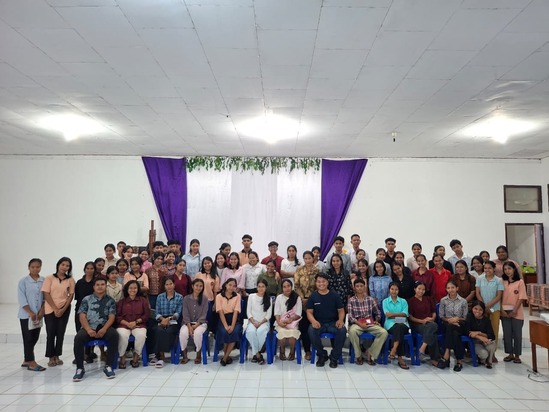
Asia Centre has played an active role in advancing digital security and online resilience in Indonesia, working in close collaboration with a diverse range of partners, including civil society organisations, non-governmental organisations, learning centres, community-based platforms, and underrepresented groups. Its initiatives seek to empower youth advocates, women’s groups, and other stakeholders to navigate digital spaces safely, promote online safety, and counter cyber threats, thereby fostering inclusive and secure digital participation across communities. These activities, initiated in 2024 in partnership with Google Asia and the Pacific and sustained throughout 2025 into early 2026, have received encouraging feedback from partners and participants. Key comments indicate an improved awareness and understanding of both human-centred approaches and the practical application of protective measures, including the use of emerging technologies, when engaging within the digital sphere. During the 2025–2026 programme period, the first Digital Security Training – End Beneficiaries (DST-EB) was held in Jakarta. On 29 August 2025, Asia Centre, in collaboration with Jaringan GUSDURian, successfully organised a national-level onsite Digital Security Training for End Beneficiaries (DST-EB). The session was attended by over 50 young religious activists from across Indonesia who are members of the GUSDURian Network. The training aimed to equip participants with the knowledge and skills needed to identify digital threats and protect their online presence, providing practical insights into privacy, online safety mechanisms, and relevant digital tools. The first Digital Security Training – Training of Trainers (DST-ToT) was held on 30 October 2025 in Bali, in eastern Indonesia, organised by Asia Centre in collaboration with GUSDURian and Institut Sains dan Teknologi Nahdlatul Ulama, Bali. The session brought together 30 participants, including ICT, STEM, and fintech practitioners, youth activists, and indigenous community leaders, enhancing their capacity, including facilitation skills, to deliver inclusive digital security training within their communities. On the same day, a Digital Security Training – End Beneficiaries (DST-EB) was held in Bali, organised by Asia Centre in collaboration with GUSDURian Bali and Institut Sains dan Teknologi Nahdlatul Ulama. The session engaged 30 youth activists and STEM practitioners, equipping them with essential knowledge and practical skills to identify cyber threats and strengthen their online safety and digital resilience. These 2025 activities built on Asia Centre’s earlier efforts in Indonesia. Since 25th September 2024, the Centre has delivered Google-supported Digital Security Trainings to over 140 youth advocates, women’s groups, and civil society organisations both in district and national levels across Jakarta, Yogyakarta, and Bali, including a session incorporating Indonesian Sign Language to ensure accessibility. Partners included Indika Foundation, Law Faculty of Universitas YARSI, Social Movement Institute, SAFEnet, and Yayasan Wisnu. In early 2026, Asia Centre expanded its digital security initiatives in Jakarta. The first DST-ToT session of the year engaged 20 participants from diverse civil society, youth, and community-based organisations, further strengthening online resilience and the capacity to deliver inclusive digital security training. 21 January 2026, Asia Centre, in collaboration with joint partner networks, successfully organised an onsite Digital Security Training – Training of Trainers (DST-ToT) in Jakarta, Indonesia. The session was attended by 20 participants, comprising representatives from civil society organisations, advocates, and independent journalists. The training aimed to equip participants with the knowledge, practical, and facilitation skills required to identify digital threats and safeguard their online presence and accounts, while strengthening their understanding of privacy, online safety mechanisms, and relevant digital security tools, which they can subsequently share with their communities. On 23 January 2026, Asia Centre, in collaboration with Penabulu Foundation, successfully organised an onsite Digital Security Training for End Beneficiaries (DST-EB) in Jakarta, Indonesia. The hybrid session was attended by 26 participants from the Foundation and aimed to equip them with the knowledge and skills necessary to identify digital threats and protect their online presence and accounts. The training also provided practical insights into data privacy, online safety mechanisms, and relevant digital security tools In February 2026, Asia Centre delivered two online, Digital Security Training – Training of Trainers (DST-ToT) national sessions in collaboration with the Ladies in Tech Network. The first session, held on 3 February, brought together 21 participants, including advocates, members of the technology community, education enthusiasts, and representatives of the Indonesian diaspora living overseas. A second session followed on 6 February, engaging a further 25 participants from similar backgrounds. Both sessions were designed to strengthen participants’ digital competencies and enhance their capacity to promote online safety and digital resilience within their respective networks, while enabling them to cascade their newly acquired knowledge to wider communities. On 12 March 2026, a national-level Digital Security Training – End Beneficiaries (DST-EB) session was conducted virtually in partnership with Amnesty International Indonesia. The session was attended by 38 individuals, including Amnesty staff, civil society representatives, activists, and advocates, and focused on equipping them with the knowledge and skills needed to identify digital threats, such as scams, and to protect their online presence and accounts. The training provided an exchange of best practices and practical insights into data privacy, online safety mechanisms at the institutional level through Project SHIELD, and relevant digital security tools, including the emerging use of AI. On 23 March 2026, a national-level Digital Security Training – End Beneficiaries (DST-EB) session was conducted in Indonesia in partnership with the Women Church networks, BPD PERUATI JABODETABEK. The session was organised as part of a digital wellbeing workshop in conjunction with International Women’s Day and was attended by 36 participants, including prominent priests, representatives from church networks, and youth activists. It focused on strengthening digital security awareness, with particular emphasis on scams, phishing, and doxing, and on enhancing online resilience through human-centred advocacy within their communities. On 31 March 2026, a hybrid Digital Security Training – End Beneficiaries (DST-EB) session was conducted in eastern Indonesia on Sumba Island in partnership with STT GKS, the Theological College of the Sumba Christian Church. The session, attended by over 90 people on-site and via zoom is 8 participants, including theological college educators, prominent priests, church members, youth, and ICT advocates, marking the first time they had received formal digital security training.
National Convening on Climate Disinformation in the Philippines: Legitimising Attacks on Indigenous Peoples
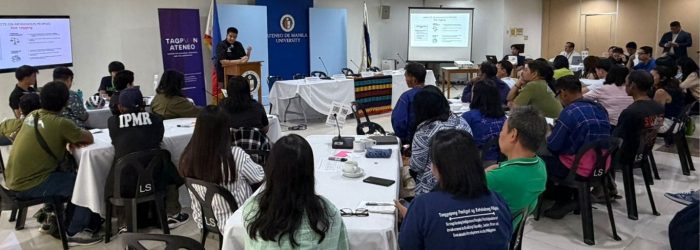
In the Philippines, attacks against Indigenous Peoples (IPs) are increasingly legitimised by climate disinformation which falsely labels their environmental defence as terrorism, enabling the continued use of ancestral lands for industrial expansion. This was the central finding presented at a national convening reviewing the preliminary outcomes of Asia Centre’s forthcoming report Climate Disinformation in the Philippines: Legitimising Attacks on Indigenous Peoples. Attended by over 70 people, the convening took place on 24 March 2026 and was organised by Asia Centre, in partnership with International Media Support (IMS) and the Center for Dialogue, Research and Collaboration (Tagpuan Ateneo) at Ateneo de Manila University. Bringing together journalists, civil society actors, Indigenous rights advocates and policy experts, the event examined how climate disinformation operates in the Philippines, assessed its impact on Indigenous communities, and gathered expert and community feedback to strengthen the report prior to its finalisation and publication. The session opened with remarks by Dr Jowel Canuday, Director, Tagpuan Ateneo, who stressed that climate disinformation obstructs constructive dialogue and undermines inclusive engagement among stakeholders. In the context of digital democracy, he stressed the importance of constructive journalism in ensuring that Indigenous voices are heard. Vanessa Chong, Programme Manager from International Media Support went next to situate the initiative within broader efforts to strengthen journalistic capacity in digital democracy, highlighting climate disinformation as a critical but under-addressed issue. This was followed by the opening remarks of Dr James Gomez, Regional Director of Asia Centre, who emphasised that the Philippines’ intense securitisation makes the effects of climate disinformation particularly hazardous. He said, this form of disinformation acts as an intensifier of the deep-seated, structural violence already faced by IPs. The presentation of key findings was delivered by Ekmongkhon Puridej, Research Coordinator at Asia Centre. He identified three interrelated dynamics in the Philippines. First, narratives that credit the state and corporations with compliance to sustainability standards, while labelling IPs as “terrorists”, facilitate the exploitation of ancestral lands. Second, climate disinformation reinforces state-led violence against IPs, including militarisation, forced evictions, red-tagging and extrajudicial killings. Together, these dynamics pose severe risks to Indigenous rights, identity, security and survival. Following the presentation, the discussants reacted and offered comments to the report’s findings. Atty. Faydah M. Dumarpa, Commissioner of the Commission on Human Rights (CHR), noted that these findings align with the CHR’s monitoring of disinformation targeting IPs, particularly where it undermines their right to Free, Prior, and Informed Consent (FPIC). She emphasised the state’s obligation to establish mechanisms to monitor and counter climate disinformation, alongside strengthening Media and Information Literacy (MIL) across sectors. Atty. Raymond Marvic (Ice) Baguilat of the University of the Philippines College of Law framed the report’s core concern as one of justice. He called for a deeper examination of what justice entails for IPs within a securitised environment, particularly in relation to the impacts of climate disinformation and the appropriate responses to it. Rossine Fallorina of the SIGLA Research Center analysed climate disinformation within broader structural attacks on IPs. He highlighted two areas requiring further scrutiny: the political economy of disinformation, including its role as a revenue-generating activity often sustained by public relations firms, and its operational dynamics, including the expanding role of AI. He argued that understanding the disinformation economy is essential for designing targeted interventions. Jefferson Chua of Greenpeace Philippines examined the increasing prominence of “green” initiatives, identifying the green transition and carbon markets as key sites of contestation. He warned that climate disinformation is likely to be deployed in these domains to undermine FPIC and misrepresent corporate and state actors as environmentally responsible. He also identified the framing of climate mitigation as primarily an individual responsibility as a form of misleading narrative that requires critical engagement. Paco Pangalangan of International Media Support observed that climate change discourse often remains highly technical, neglecting its intersection with human rights and the spread of disinformation. He argued that disinformation saturates the information environment, marginalising the perspectives of IPs and their advocates. He further noted the role of algorithmic amplification and coordinated networks in shaping the disinformation landscape in the Philippines. An open discussion with participants followed, during which critical issues were addressed, including village-level intimidation and violence and community incidents. The prevalence of deceptive consultations that participants experienced were also shared where approval of IPs were fabricated or presented as genuine. Participants also queried how the report findings into on-the-ground strategies to the media does not engage in disinformation. The convening concluded with remarks by Arthur Tanggara from Tagpuan Ateneo. He expressed his gratitude to the panellists and participants for their significant contributions and valuable insights. He emphasised that the event serves as an example of how the Tagpuan Ateneo facilitates conversation, expressing his hope that the discussion on the underreported impacts of climate disinformation will prove useful. For highlights of the National Convening on “Climate Disinformation in the Philippines: Legitimising Attacks on Indigenous Peoples”, visit Asia Centre’s TikTok channel. The published reports on this series thus far includes: Climate Disinformation in Cambodia: Undermining Indigenous Peoples’ Agency “Climate Disinformation in Thailand: Negating Indigenous Peoples’ Identity” “Climate Disinformation in India: Subverting Indigenous Peoples’ Rights” “Climate Disinformation in Malaysia: Appropriating Indigenous Peoples’ Entitlements” “Climate Disinformation in Indonesia: Prioritising Development Over Indigenous Peoples’ Vulnerability” Collectively, these reports examine how misleading narratives distort public understanding of climate issues, undermine Indigenous rights, and shape policy debates, highlighting the regional and cross-cutting nature of climate disinformation. Upcoming final report: “Climate Disinformation in Asia: Trends and Challenges” This report will draw from the findings of the country reports to shed light on the dynamics of climate disinformation at the regional level.
Asia Centre hosts Korea Democracy Foundation’s Honorary Office
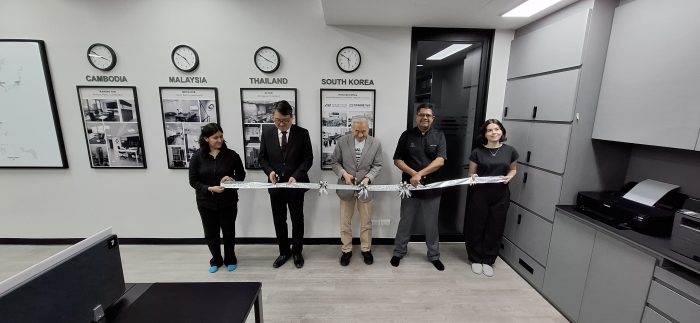
On 13 March 2026, Asia Centre hosted the launch of the Honorary Office of the Korea Democracy Foundation (KDF) at its Research Hub in Bangkok, Thailand. It completed the reciprocal establishment of honorary offices by the Asia Centre and the Korea Democracy Foundation as both organisations mark a new phase in their cooperation to advance democratic dialogue and regional collaboration across Asia. In attendance was the delegation from KDF, which included Mr. Lee Jae-oh – President of KDF, Mr. Lee Young-je – Director of the Exchange and Cooperation Office at KDF, and Mr. Kim Chanho – Team Leader of the Global Alliance Team. The event was also honoured by the presence of His Excellency Mr. Park Yongmin – Ambassador of the Republic of Korea to Thailand, and Mr. Seungho Han – Second Secretary, Embassy of the Republic of Korea. Dr. James Gomez – Regional Director of Asia Centre, welcomed guests and highlighted that the launch represents an important reciprocal step in strengthening the partnership between Asia Centre and the Korea Democracy Foundation. He noted that the long standing collaboration reflects shared efforts to promote democratic dialogue, research, and engagement across the region. In his remarks, KDF President Lee Jae-oh expressed his thanks to the Asia Centre and noted that Centre’s existing memberships in various democracy networks makes it a valued partner. He said Asia Centre, in partnership with KDF, could become part of a wider network of institutes working together to promote democratic values and cooperation across the region. Ambassador Park Yongmin congratulated both organisations and recognised Asia Centre’s democratic credentials accumulated over the years through its work. He conveyed the support of the Embassy of the Republic of Korea in Thailand to facilitate the partnership between the Asia Centre and the Korea Democracy Foundation. Reflecting the diverse partnerships and collaborative networks between Asia Centre and the Korea Democracy Foundation in advancing democratic dialogue and cooperation across the region, also present at the event were Dr. Pandit Chanrochanakit – International Democracy Goodwill Ambassador 2023/2024 of KDF and Associate Professor at Chulalongkorn University, Dr. Akiko Takayanagi – Japan NGO Center for International Cooperation (JANIC), and Patporn Phoothong – Researcher, Education for Peace in Violent Conflict, Salzburg Global, alongside members of Asia Centre’s Research Hub and AI Hub. The Bangkok launch builds on an earlier Seoul launch on 30 September 2025, when Asia Centre established its Honorary Office, at the KDF International Center at the National Museum of Democracy in South Korea. Following the launch, both organisations will be attending the Yushan Forum in Taipei, Taiwan from 16-17 March 2026. They will participate in panel discussions and meetings with the host Taiwan Asian Exchange Foundation. Later in the year, from 2-4 June 2026 both Asia Centre and KDF will be back to Taipei to participate in the East Asia Democracy hosted by the Taiwan Foundation for Democracy. Immediately thereafter, from 10-12 June 2026, Asia Centre will join the KDF Global Democracy Summit, where the Centre will host the Global Democracy Coalition’s Asia Forum on 11 June 2026. The reciprocal establishment of “Honorary Offices’ by both organisations speak to a long standing partnership between Asia Centre and the Korea Democracy Foundation. We can expect both organisations to strengthen and advance their joint cooperation and democratic engagement across Asia.